How to Record Animal Tracks and Signs Without Disturbing Wildlife
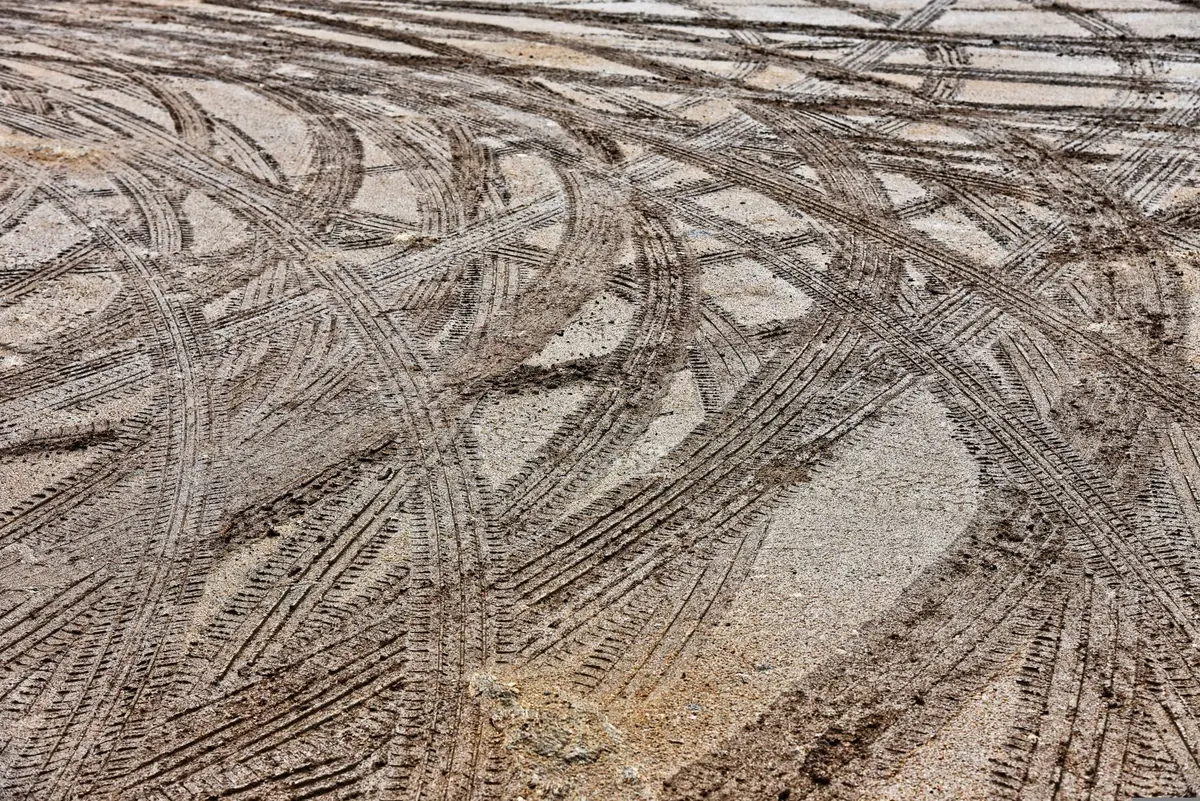
The clearest track you will ever find is usually the one you almost stepped on. Mud at a pond edge, a dust patch under a fence line, fresh snow along a hedgerow — these are the places where an animal writes down what it did last night, and they are also the places where a careless boot erases the whole sentence. Recording signs well is less about identifying species with certainty and more about gathering honest evidence: the substrate, the weather, the measurements, the shape. Get that part right and identification becomes a puzzle you can solve later at the kitchen table, with field guides and a cup of tea, instead of a guess made while crouching over a print that is already filling with water.
Pack Light, Pack Quiet
A journaling kit should fit in a jacket pocket or a small shoulder bag. You want to be able to stop, set down, and record within a minute or two, because light moves and prints melt.
- Grid notebook and a soft pencil (pens freeze and bleed in rain). A pencil sharpened to a flat chisel edge draws both lines and shading.
- Small ruler — 15 cm of plastic or metal, not a tape measure that flaps in the wind.
- Phone or compact camera. Phone is fine; the ruler matters more than the lens.
- Hand lens for claw marks, hair, and tooth edges on chewed twigs.
- Two wooden skewers or twigs for gently lifting a feather or turning a scat without touching it.
- Small brush for flicking loose leaf litter off a print before you draw it.
Leave the collecting jars at home. A sketch, a measurement, and a photograph are records; a pickled specimen is a piece of habitat removed.
Approach the Ground Before You Approach the Animal
Most disturbance happens before anyone sees wildlife. Step onto hard ground, rock, or the packed centre of an existing trail, and use it as a viewing platform. Crouch rather than stand over a print — your shadow tells you nothing, and standing tall can put your silhouette over a burrow mouth where a fox or badger may be watching.
Walk into the wind if you can. Scent carries far, and an animal that catches human smell will often stay in cover, which means the tracks you were following vanish into a thicket you cannot enter without trampling it. Stay on the edge of a clearing rather than crossing it. If you find a den or a nest, stop several metres short, make your notes from there, and leave. Nesting and denning seasons are the times to be strictest about this.
Sketching a Track You Can Still Identify Next Week
Draw the scale bar first, before the track. A 5 cm line in the corner of the page turns a nice drawing into a record. Then work in layers: faint outline, then pad shapes, then detail.
What to put on the page
- Overall length and width, measured at the widest point.
- Number of toes actually visible — count what is there, not what you expect.
- Whether claws show. Long, blunt claw marks usually mean a member of the dog family; neat prints with no claws usually mean a cat.
- The shape of the main pad: a single lobed triangle, a three-lobed bar, or something else.
- Front foot versus hind foot, if both registered. Hind feet often land partly on top of the front print, which is why a "five-toed" animal looks four-toed.
- The trail: stride (nose-to-nose distance between prints of the same foot), straddle (width across the trail), and the pattern — a straight walk, a trot with paired prints, an arcing bound, or a hopping gait.
Note the substrate, too. A print in wet silt and the same print in dry sand are different documents, and your future self will need to know which one you were reading.
Photographs and Measurements That Hold Up
Shoot straight down, filling the frame, with the ruler lying beside the print and in the same plane — a ruler propped on a twig reads short. Then take one shot from a low angle with the sun behind you, because raking light reveals depth that a flat overhead photo flattens away. On snow or pale sand, shade the print with your body or a jacket to stop the highlights blowing out.
Write down what the camera cannot show: how deep the print sank, whether the edges were crisp or crumbled, whether rain or sun had touched it since it was made, and the soil moisture. Track ageing depends on weather, so add the date, the hour, the temperature feel of the day, and when it last rained or snowed. Two prints of the same age look very different after a night of frost.
Scat, Burrows, and Feeding Sign
Scat is the most informative sign and the least pleasant to handle, so do not handle it. Record the diameter, the shape (segmented, tapered, tubular), the contents you can see from a distance — hair, bone fragments, seed husks, insect cases — and whether it sits alone on a trail, in a latrine, or on a stone or stump. Keep dogs and children away from it, wash your hands after fieldwork, and treat any wild animal waste as a potential source of parasites and disease. A sensible rule is: look, measure, photograph, then move on.
Burrows and dens deserve a wide berth. Note the entrance size and shape, how many entrances you can see, the slope and aspect, the soil heap outside, and any tracks, feathers, bones, or cached food nearby. Do not dig, do not push a stick inside, and do not clear vegetation to get a better view. The same applies to feeding sign: bark stripped from a sapling, a chewed pine cone, a nibbled browse line, a pellet of fur and bone beneath a roost. Record the height, the species of plant involved, and how fresh it looks.
Field Ethics That Keep the Record Honest
Do not bait. Scattering food, spraying scent, or playing recorded calls to make wildlife appear changes the behaviour you came to observe and can pull animals into roads or backyards. Do not collect eggs, feathers from active nests, or bones you cannot legally take, and check local rules on protected species and access before you set out; permissions vary by place, and a friendly word with a landowner or ranger solves most of it. When you share your notes online, describe the terrain rather than pinning the den's exact location.
A Practice You Can Keep
Give yourself twenty minutes at the same patch once a week. Same route, same time of day, same page format. Copy the date, weather, and a one-line sketch of the trail, then add two lines: what you measured, and one question you cannot answer yet. That last line is what turns a notebook into a record. Over a season you will stop seeing single prints and start seeing a calendar — who passes through after rain, which nights the rabbits hop along the fence, when the first fox cubs begin to wander. The animals will not notice you, and that is exactly the point.
Photo: Mabel Amber / Pexels