A Monthly Phenology Checklist for Temperate Woodlands
A wood you visit once is a photograph. A wood you visit on the same route, in the same week of every month, becomes a calendar you can read. Phenology is the plain practice of noticing when things happen: the first hazel catkin, the first chiffchaff, the first fly agaric pushing up through the litter. None of it requires expertise. It requires a route, a notebook, and the willingness to write down small things you would otherwise forget by the time you reach the gate.
What follows is a year of prompts for temperate woodland. Treat them as hints, not a timetable. Your dates will shift with latitude, altitude, soil, and whether the wood sits in a frost pocket. The point is that the same eyes record the same wood, again and again.
Set Up a Notebook Worth Keeping
Carry a small notebook and a pencil. Phones work, but the camera roll turns into a swamp within weeks. Walk the same route in the same direction, and note the same few things every visit so the pages stay comparable:
- Date, time, weather. One line only. Cold and still. Mild after rain. Hard frost overnight. Warm southerly.
- Canopy. Budburst, first leaf, full leaf, first colour change, leaf fall. Name the species: oak, ash, birch, hazel, field maple.
- Ground layer. First shoot, first flower, full flowering, seed set, dieback.
- Birds. First song of the year, first arrivals, flock sizes, last sightings.
- Fungi and oddities. Fruiting bodies, galls, leaf mines, slime moulds, tracks, chewed nuts.
- One surprise. Whatever you did not expect. These entries age best.
Two habits sharpen everything. First, count instead of describing: "four singing chiffchaffs" is a record, "lots of warblers" is a mood. Second, pick one tree and photograph it from the same spot each month. A single oak, shot twelve times, will teach you more about the year than a folder of landscapes.
Late Winter into Early Spring
February
Hazel and alder catkins are already open and shedding pollen on mild, dry days. Snowdrops are past their best in the south, still sharp in the north. Watch for the first queen bumblebees working low over dead leaves, and listen at dusk for tawny owls answering each other. Great spotted woodpeckers start drumming now, which is territory, not feeding. Check the fat buds on elder and honeysuckle for the first green showing through.
March
Blackthorn flowers before its leaves, a froth of white on bare black twigs. Wood anemone and lesser celandine open on the woodland floor, and the first brimstone butterflies appear. Chiffchaffs arrive across much of the lowlands and start repeating their name from the canopy edges. Frogspawn appears in woodland ponds and ditches after the first warm rain. Meanwhile ash stands stubbornly bare. Note each year whether oak or ash leafs first, and keep the sequence in your own record rather than in folklore.
Spring in Full
April
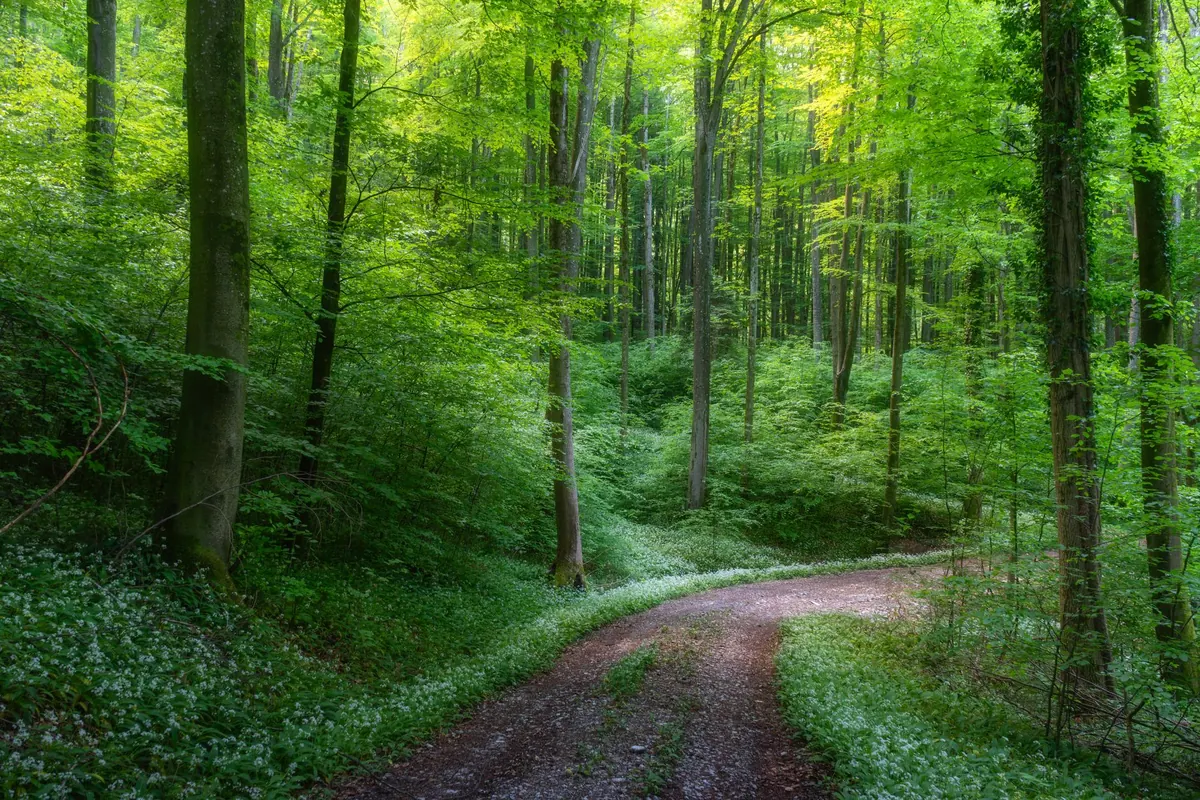
Bluebells, wild garlic, and wood anemone at their peak, all racing to flower before the canopy closes and the light drops. Oak budbursts; ash is usually last. Willow warblers and blackcaps join the chorus, orange-tips patrol the hedges, and tadpoles cloud the shallow water. Spend your time on the ground layer this month. Once the leaves are fully out, the wood becomes a different place entirely.
May
Hawthorn blossom, cow parsley along the tracks, honeysuckle unrolling. Swifts arrive in the first days of the month, screaming over the rides; spotted flycatchers and garden warblers follow mid-month. The dawn chorus starts earlier and thins as birds pair up and settle to nesting. Note the date the canopy closes completely. It is one of the clearest dividing lines in the woodland year.
Summer's Slow Turn
June and July
Deep shade and dry paths. Elderflower gives way to green elderberries, brambles flower, foxgloves stand in the clearings. The wood sounds quieter than it did in May, partly because many birds have finished singing. Look up for purple hairstreaks around oak canopies, and turn leaves over for galls and mines. Keep an eye on stream levels and soil moisture; a dry June shows up in the ground layer long before it shows anywhere else.
August
The first signals of the turn. Rowan berries redden, hawthorn haws colour, blackberries ripen, hazelnuts swell. Bracken yellows at the edges of the wood, and horse chestnut leaves blotch brown. Many adult birds are moulting and hiding, so the wood feels emptier than it is.
Autumn
September brings the first real fungi: sulphur tuft on stumps, puffballs in grass, jelly ear on elder after rain. October and November usually deliver the main flush, especially after a wet spell and a run of cool nights. Record the date, the host tree, and what the fungus is growing on, because that trio is what makes the note useful next year. Photograph rather than pick; collecting is restricted in many woods, and identification from a book alone is no basis for eating anything.
Migration runs alongside. Redwings and fieldfares arrive from October, woodcock return to damp cover, and the last chiffchaffs and blackcaps slip away, though a few now overwinter in milder districts. Watch the colour change tree by tree: note which species turns first and which holds its leaves into December. Record the day the first bare crown appears on your route, and the day the last leaves go.
Winter Quiet
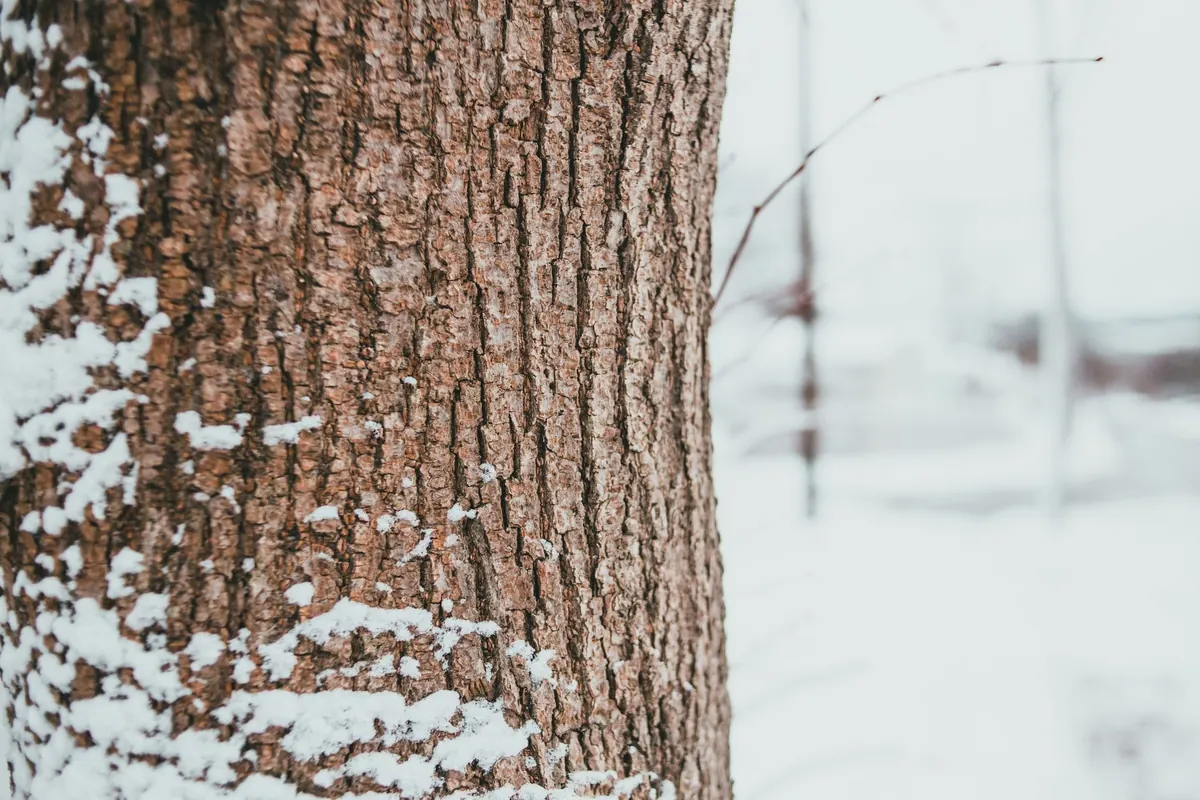
Bare structure is the most readable thing in the wood, and most people never look at it. Learn the buds, the bark, the shape of the crowns. Squirrel dreys and mistletoe show up against grey sky. Tracks in mud and snow tell you about deer, fox, and badger without any need to see them. Mixed flocks of tits, goldcrests, and treecreepers move through the canopy together. Jelly ear and other tough fungi persist through frost. And on a mild January day, the hazel catkins open again, so the year restarts before the last one feels finished.
Making the Notes Add Up
Three habits turn a scribbled notebook into something you can actually use.
- Summarise each month on one page. Species, date, and one line of context. The summary is what you will reread; the raw notes are just evidence.
- Compare year with year, not month with month. Same species, same route, different springs. That is where the interesting variation lives.
- Leave the gaps. A missed fortnight is data too. Do not fill dates in from memory afterwards.
Keep your disturbance low while you record. Stay on paths where the ground flora is fragile, keep well back from nests, and leave the fungi where they are. A good phenology record is one a wood can absorb without noticing you were there.
Photo: Michael Schlierf / Pexels